Axel Budde
Patient-Centered Outcomes Researcher & Clinical Data Scientist
Biography
Psychologist (M.Sc. Hons, University of Amsterdam) with seven years of clinical research experience across oncology, palliative care, and public health. Specialising in patient-centred outcomes, psychometric validation, and clinical data science. PhD candidate at the University of Bonn, Faculty of Medicine (Epidemiology): machine-learning prediction of quality of life after childhood cancer.
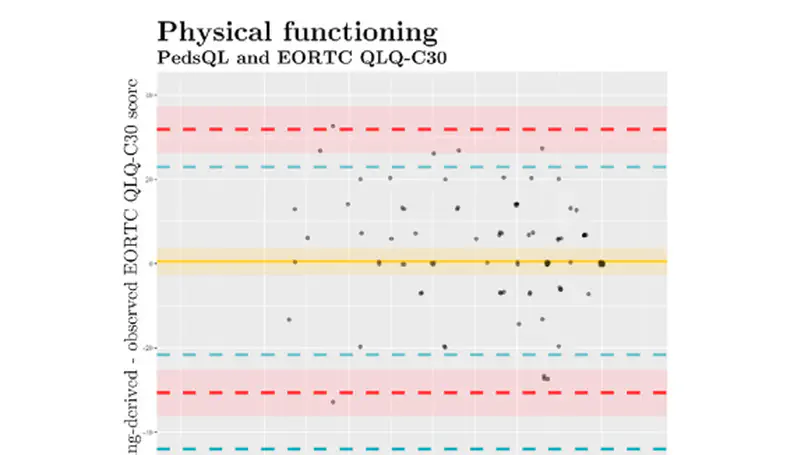
I have published on COA instrument harmonisation — linking paediatric and adult patient-reported outcome measures in an international osteosarcoma cohort (European Journal of Cancer, 2022) — and have a manuscript in preparation on non-response prediction in childhood cancer survivor surveys using machine learning.
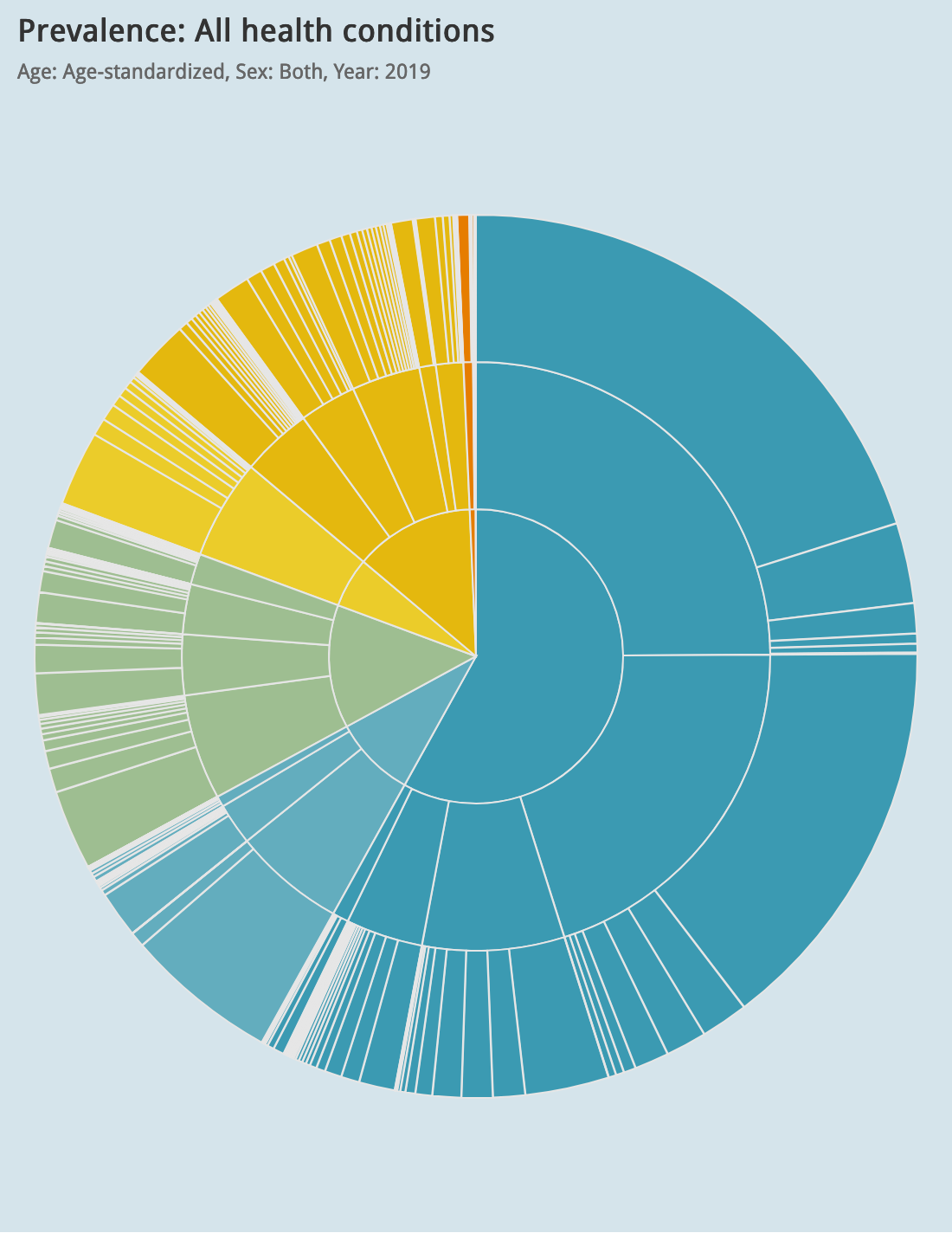
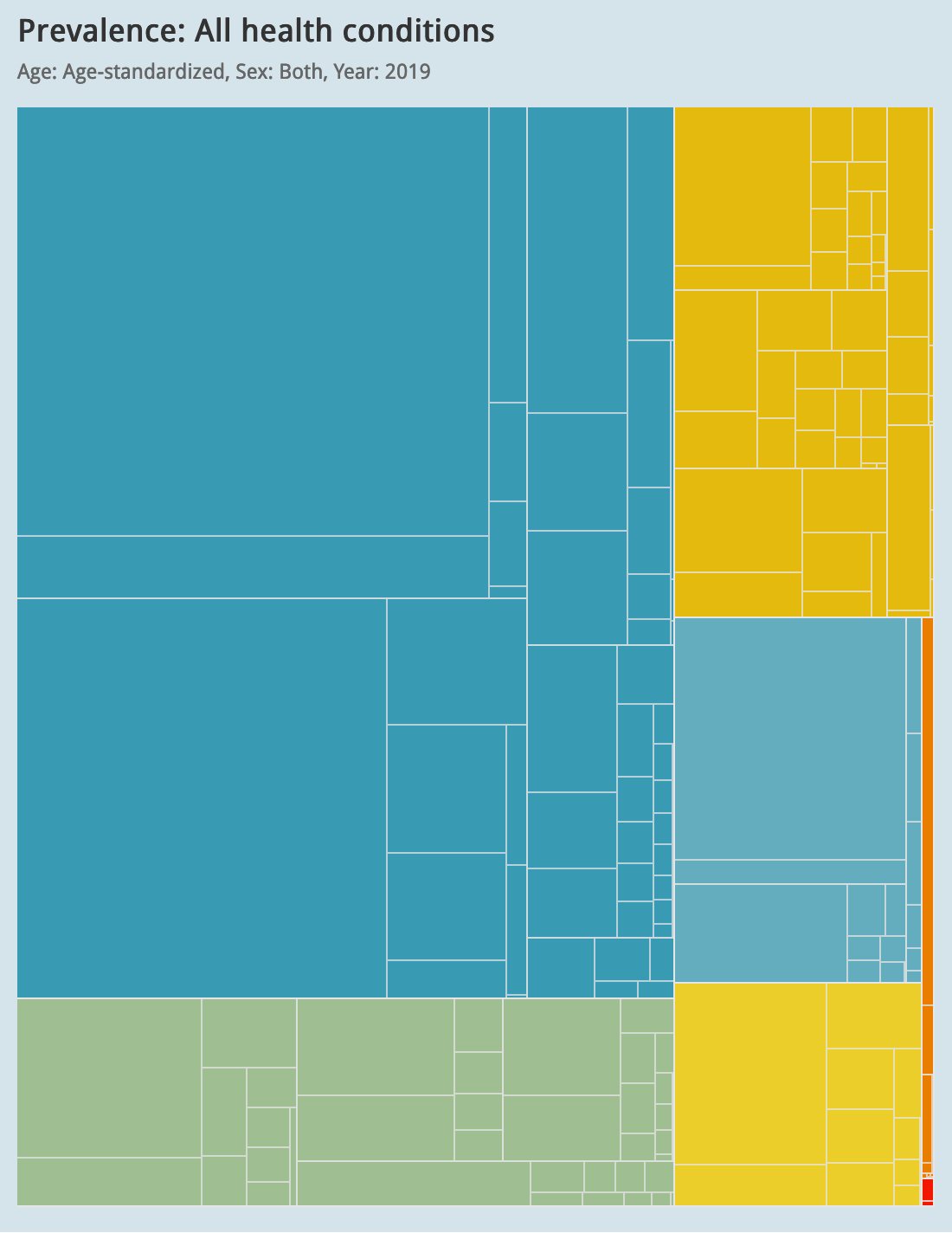
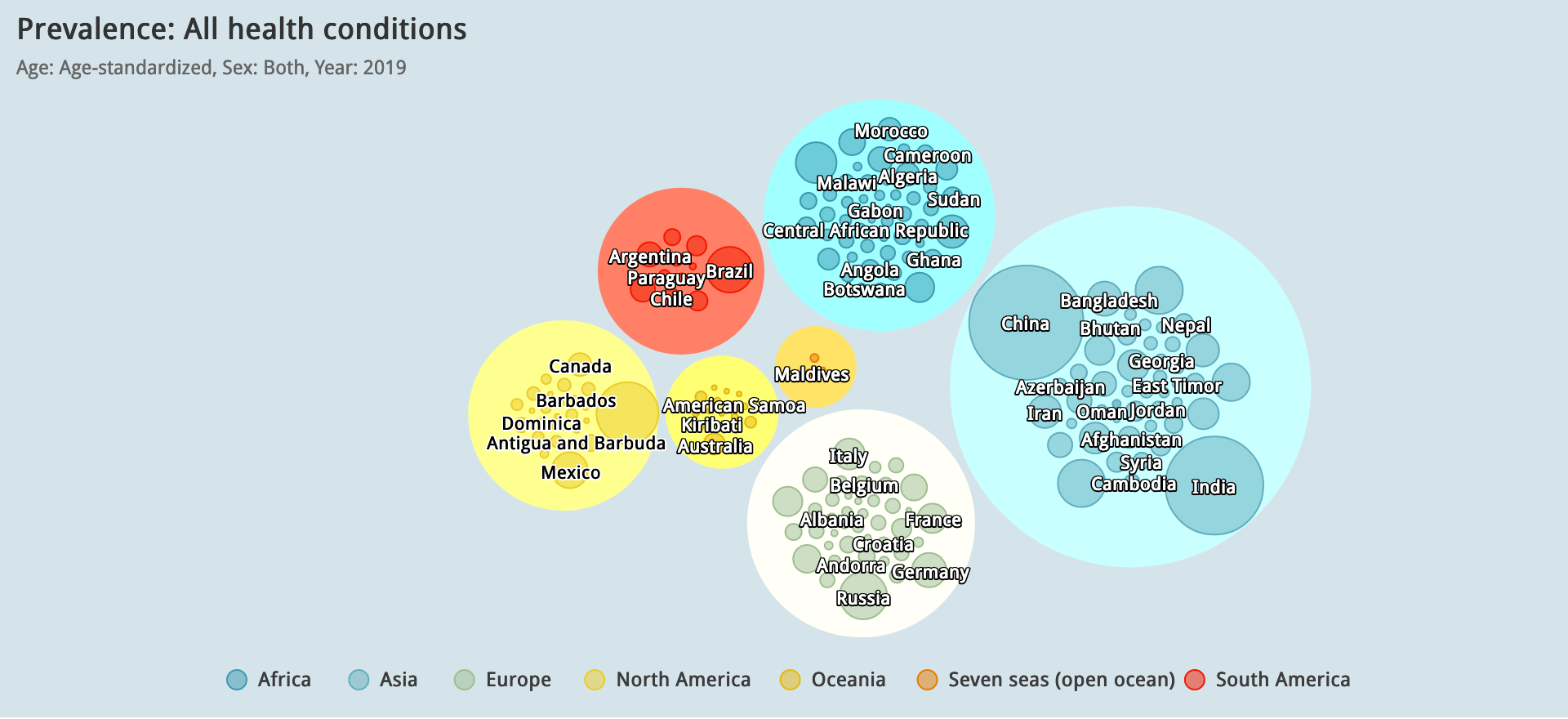
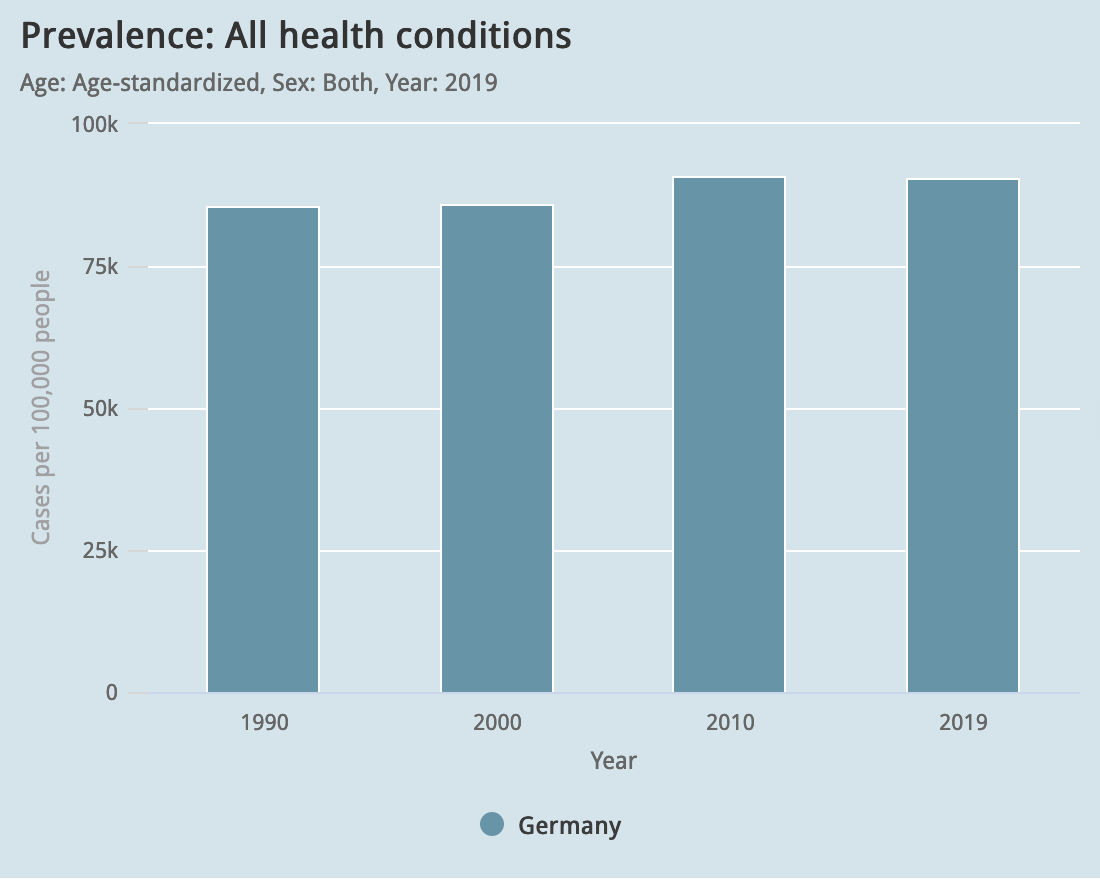
On the applied side, I build R Shiny tools that make complex statistical methodology accessible to clinical researchers, including a psychometric analysis tool for IRT-based item fit evaluation and a dashboard developed for the Lancet Commission on Palliative Care and Pain Relief.
Download my CV.
- Patient-Centered Outcomes Research
- Psychometrics & COA Validation
- Clinical Data Science
- R & R Shiny Development
PhD Candidate in Epidemiology (expected completion: 2027)
University of Bonn, Germany
MSc in Psychology (With Honours), 2004
University of Amsterdam (UvA), The Netherlands
Diploma in Criminal Science, 1997
University of Pau and Adour Countries (UPPA), Pau, France
Skills
Experience


Lectures in Psychology degree programme (B.Sc.):
- Introduction to psychology and its history
- Research methods
- Psychotherapy

Development of R Shiny app for visualisation of Serious Health Related Suffering (SHS):
- Developed for Lancet Commission on Palliative Care and Pain Relief
Coordination of project “E-Surv” (Funding: German Cancer Aid):
- Randomised study (n = 2,000, German Childhood Cancer Registry) comparing paper-based and eCOA administration of validated PRO instruments including EORTC-QLQ-C30, SF-36, and Multidimensional Fatigue Inventory — a direct eCOA mode equivalence study
- Logistic regression modelling of response rate predictors (sex, socioeconomic deprivation, time since diagnosis)
- Metadata harmonisation across multiple paediatric oncology studies (COSS, CESS, CWS) using Samply.MDR metadata repository
Graduate programme “Epidemiological Research Using Cancer Registry Data” (German Cancer Aid):
- July - August 2019: University of Mainz, German Childhood Cancer Registry – Comparative non-response analysis
- January - February 2019: University of Bern, Switzerland, Institute of Social and Preventive Medicine (ISPM), Paediatric Cancer Epidemiology Group (Prof. Dr. Claudia Kühni) – Development of Shiny app for space-time analyses of Swiss Childhood Cancer Registry data

Developed R Shiny apps:

- Coordination of federal-state network for online documentation system Dot.sys
- Coordination of federal-state network for relaunch PrevNet/Inforo online
- Coordination of EU project “Reducing Alcohol Related Harm” (RARHA) (Work Package Co-Lead)
- Representation within German Monitoring Centre for Drugs and Drug Addiction (DBDD) and vis-à-vis European Monitoring Centre on Drugs and Drug Addiction (EMCDDA)




Technical Skills
Programming
- R (daily since 2017 – expert)
- R Shiny (daily – expert)
- SQL (often), LaTeX (often), R Markdown (often)
Outcomes Research & Psychometrics
- Clinical Outcome Assessment (COA) instrument analysis
- Item Response Theory (IRT): Rasch / 2PL models (TAM package)
- Patient-Reported Outcome (PRO) / eCOA methodology
- Survey mode effects, non-response analysis
- Psychometric validation (fit statistics, reliability, validity)
Statistics & Data Science
- Hypothesis testing, KPI development, data cleaning
- Reproducible workflows, machine learning (random forests, penalised regression)
Documentation & Reporting
- R Markdown (expert), LaTeX (often), Git/GitHub (proficient)
Cloud & Deployment
- Render (daily), Supabase (often), AWS (often)
Additional Tools
- Metadata database MDR.Samply (often)
- SaTScan (often), QGIS (rarely)
- MySQL (often)
Languages
- English – Business fluent, IELTS (Academic) Band 8.5/9
- Dutch – Business fluent
- French – Fluent
- Spanish – Advanced basics
- German – Native
Scholarships
Specialisation

Projects


Gallery